
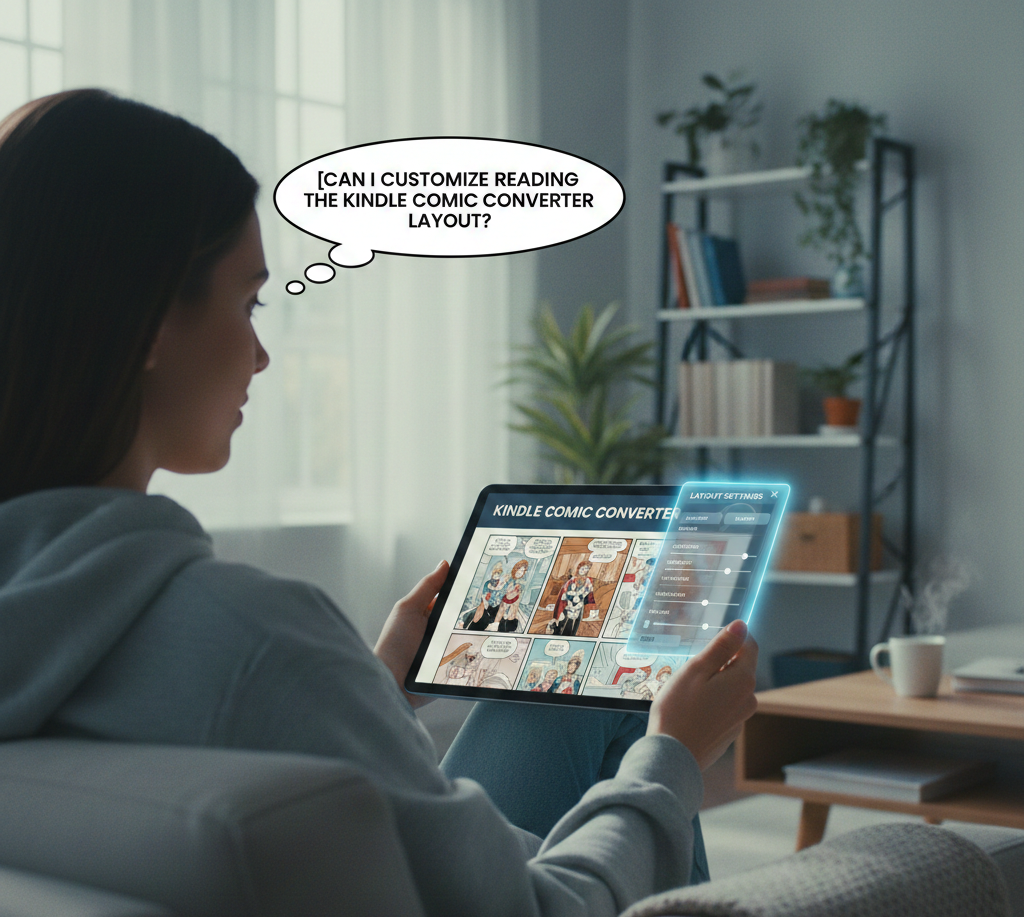
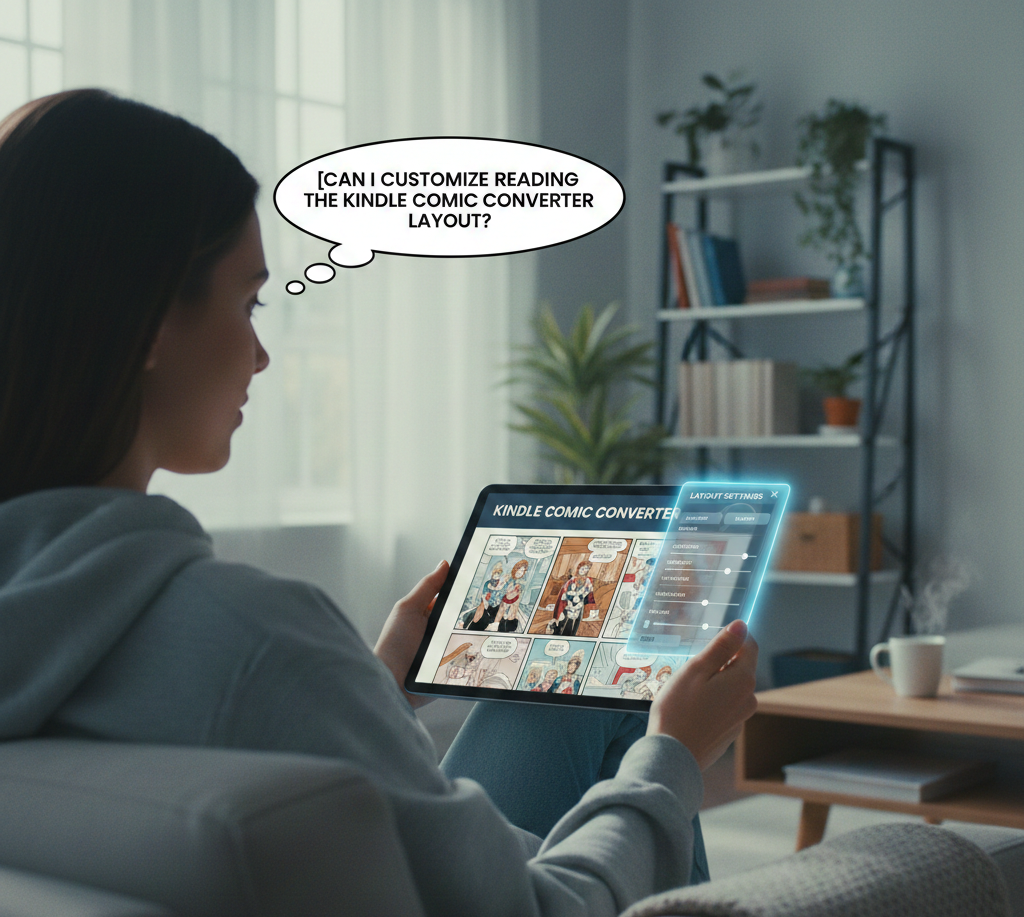
When exploring digital comic reading, many users wonder, “Can I customize reading the Kindle Comic Converter layout?” The answer lies in tools like Kindle Comic Converter, which empowers readers to tailor their comic experience. With Kindle Comic Converter, users can adjust page orientation, zoom levels, and panel settings to create a comfortable reading environment. This customization ensures that every comic, manga, or graphic novel is displayed perfectly on your device, enhancing readability.
Moreover, Kindle Comic Converter supports advanced layout options such as double-page spreads, smart cropping, and navigation controls. By using Kindle Comic Converter, readers gain full control over how stories unfold visually.
Understanding Reading Layouts
The Role of Layout in Reading Experience
A reading layout is much more than just text on a page; it shapes the way a reader interacts with content. Properly designed layouts guide the eyes naturally, reduce fatigue, and enhance comprehension. For instance, the spacing between lines, the width of the text block, and the alignment of paragraphs all contribute to creating a smooth reading flow. A well-structured layout ensures that readers can easily focus on the material without distractions or confusion, making the reading experience both enjoyable and efficient.
Typography and Its Impact
Typography is a central element of reading layouts. The choice of font style, size, and weight affects readability and sets the tone of the content. Serif fonts, for example, are often considered easier for long passages due to their traditional design, whereas sans-serif fonts are clean and modern, suited for digital screens. Proper typographic hierarchy—using headings, subheadings, and emphasis—helps readers navigate through content, highlighting important ideas and maintaining interest across the text.
Visual Flow and Eye Movement
Reading layouts rely heavily on the natural flow of the eyes. People typically read in patterns—left to right in many languages, top to bottom, and in predictable scanning motions. A thoughtfully designed layout aligns with these patterns, placing essential elements in positions where the eye naturally falls. Margins, spacing, and line lengths influence how quickly and comfortably a reader can process information. A layout that interrupts this flow may cause strain or confusion, diminishing comprehension and retention.
Integration of Images and Graphics
Images, charts, and other visual elements are not merely decorative; they complement the text and provide context. In an effective reading layout, visuals are placed strategically to support the narrative without overwhelming the reader. Proper alignment, proportion, and spacing ensure that graphics enhance understanding rather than distract. By balancing text and visuals, a layout can create an immersive experience, making complex ideas easier to grasp and keeping the reader engaged throughout.
Adaptability Across Devices
In the digital era, reading layouts must adapt seamlessly across various devices and screen sizes. A layout designed for print may not translate effectively to mobile or tablet screens, where narrower widths and different aspect ratios affect readability. Responsive layouts adjust font sizes, line spacing, and positioning to maintain clarity and comfort. Understanding these principles ensures that content remains accessible, visually appealing, and easy to navigate, whether on a desktop monitor, e-reader, or smartphone.
Font Customization
Font customization is the process of altering the appearance of text to suit the specific needs of a project, application, or user preference. It goes beyond simply choosing a font style; it involves adjusting the size, weight, spacing, and even the shape of individual characters. Effective font customization enhances readability, strengthens visual hierarchy, and can evoke specific emotions or moods in the audience. It plays a critical role in both digital and print media, helping content stand out while remaining accessible.
Adjusting Font Styles and Weights
Changing font styles and weights allows users to create visual contrast within text, making certain parts more prominent or subtle. Bold or heavy fonts can emphasize titles and headings, while lighter or italicized fonts may be used for supplementary details or quotes. By customizing font weights and styles, designers can maintain a consistent aesthetic across a platform while guiding readers’ attention to key information naturally. This flexibility ensures that text is not only attractive but functionally effective in communication.
Modifying Font Size and Spacing
Font customization also involves adjusting the size of the text and the spacing between characters, lines, or paragraphs. Larger fonts improve readability for headers or important statements, while smaller fonts work for body text when clarity is maintained. Line spacing and kerning adjustments prevent the text from appearing cramped or overwhelming, creating a balanced visual flow. Proper management of these elements ensures that text is both comfortable to read and visually harmonious, regardless of the medium.
Choosing Font Families and Variants
Selecting the right font family is crucial for establishing a brand’s identity or the tone of content. Serif fonts often convey tradition and professionalism, while sans-serif fonts are modern and clean. Customization may also include choosing variants such as condensed, expanded, or monospaced fonts to suit particular design contexts. By carefully choosing font families and variants, creators can reinforce the intended message, making their content memorable and coherent with the overall design language.
Advanced Customization Techniques
- Advanced font customization goes beyond basic size, style, and color adjustments.
- It includes features like ligatures for smoother and more connected letterforms.
- Stylistic alternates allow designers to choose different versions of characters.
- Variable fonts provide flexible control over weight, width, and other font properties.
- Custom fonts can be embedded directly into applications for consistent appearance.
- These features give designers precise control over text design and presentation.
- Advanced customization helps create unique and creative visual styles.
- It strengthens brand identity by reflecting brand personality through typography.
- It improves readability across different devices, screen sizes, and resolutions.
- It ensures text displays correctly on various platforms and operating systems.
- It enhances overall user experience with clear and attractive text.
- It helps content stand out in a competitive and crowded digital environment.
Adjustable Line Spacing and Margins
Understanding Adjustable Line Spacing
Adjustable line spacing refers to the ability to change the vertical distance between lines of text in a document or digital interface. This feature allows readers to create a comfortable reading experience by increasing space for clarity or reducing it to fit more content on a page. Proper line spacing improves readability, reduces eye strain, and gives the text a more organized appearance, making long passages easier to follow.
The Role of Margins in Layout
Margins define the blank space surrounding the text on a page, separating it from the edges of the paper or screen. Adjustable margins allow users to control the visual boundaries of content, providing room for notes, aesthetics, or printing requirements. By modifying margins, one can enhance the balance and proportion of text, creating a visually pleasing and professional layout that adapts to various devices or formats.
Enhancing Reading Comfort
Combining adjustable line spacing with customizable margins significantly impacts reading comfort. Wider spacing and larger margins can make dense text less intimidating, offering breathing space for the eyes. Conversely, narrower spacing and smaller margins can make the document more compact without sacrificing structure, which is ideal for mobile devices or small screens where space is limited.
Flexibility Across Devices and Formats
Adjustable line spacing and margins provide flexibility for multiple reading environments, whether on e-readers, tablets, or printed material. Users can tailor the layout to their personal preferences, improving accessibility for those with visual impairments or reading difficulties. This adaptability ensures that text is consistently legible and aesthetically balanced across different platforms and screen sizes.
Practical Applications and Benefits
In professional and academic contexts, adjustable spacing and margins enhance both presentation and usability. Writers can format essays, reports, or e-books for clarity, while designers can create visually appealing layouts for publications. Overall, this feature empowers users to control the visual flow of content, improving comprehension, engagement, and the overall reading experience.
Background Color and Themes
The background color of any digital interface plays a pivotal role in shaping the user’s first impression. It is not merely a decorative choice; it sets the overall tone and mood of the application or website. Choosing the right background color can enhance readability, reduce eye strain, and create a visually appealing environment for users to engage with content comfortably. Designers often consider color psychology when selecting background hues, as different shades can evoke emotions ranging from calm and relaxation to energy and urgency.
Role of Themes
Themes extend the concept of background color by offering a comprehensive visual style that encompasses colors, fonts, and other UI elements. A well-designed theme ensures visual consistency across an application, making it intuitive for users to navigate and interact. Themes often reflect the brand identity of a product, reinforcing familiarity and trust, while also adapting to user preferences for light or dark modes, which has become increasingly important in modern digital experiences.
Light and Dark Modes
One of the most prominent applications of background color is the implementation of light and dark modes. Light backgrounds with darker text are often preferred for bright environments, enhancing clarity and visibility. Dark themes, on the other hand, reduce glare in low-light settings and can help conserve battery life on OLED screens. The option to switch between modes empowers users to customize their experience while improving accessibility for those with visual sensitivities.
Dynamic and Adaptive Backgrounds
Modern interfaces increasingly adopt dynamic or adaptive backgrounds that change according to user context, time of day, or system settings. These backgrounds create a sense of immersion and personalization, making the interface feel more alive and responsive. Adaptive backgrounds can subtly shift hues, brightness, or saturation to maintain optimal readability and aesthetic appeal, ensuring the design remains comfortable for prolonged use.
Consistency and Accessibility
- Background colors aur themes select karte waqt consistency aur accessibility ko priority deni chahiye.
- Colors ka contrast strong hona chahiye taake text asani se read ho sake.
- Visual impairments walay users ke liye readability ko ensure karna zaroori hai.
- Har screen aur element par same color palette use karna professional look deta hai.
- Consistent design user ka trust aur confidence barhata hai.
- Accessibility tools jaise contrast checkers ka use karna important hai.
- Ye tools ensure karte hain ke theme attractive hone ke sath functional bhi ho.
- Accessible themes inclusive aur user-friendly experience provide karte hain.
Text Alignment Options
Text alignment is an essential aspect of design and typography, determining how text is positioned within a given space. Proper alignment not only enhances readability but also influences the overall aesthetic and professionalism of a document or interface. Designers and content creators use various alignment techniques to ensure that text appears visually appealing, balanced, and easy to follow.
Left Alignment
Left alignment is the most commonly used text alignment, especially in Western languages. In this style, text lines up along the left margin, while the right edge remains uneven or ragged. This alignment creates a natural reading flow from left to right, making it ideal for paragraphs, articles, and standard documents. Its predictability and clean appearance contribute to legibility, especially for long passages of text.
Right Alignment
Right alignment aligns the text along the right margin, leaving the left edge uneven. This alignment is less common in standard documents but can be effectively used for specific design purposes, such as aligning captions, dates, or side notes. It creates a distinctive visual structure, often adding a sense of style or emphasis in layouts where a unique presentation is required.
Center Alignment
Center alignment positions text equally distant from both the left and right margins. This creates a symmetrical appearance, often used for headings, titles, or invitations where balance and focus are key. While visually appealing, center-aligned text can be harder to read in large blocks, so its use is typically limited to shorter sections to maintain clarity and impact.
Justified Alignment
Justified alignment adjusts the spacing of text so that both the left and right edges are perfectly aligned. This gives a polished, formal appearance, often seen in newspapers, books, and professional publications. While it creates a neat and orderly look, it may introduce uneven spaces between words, which designers need to manage carefully to avoid disrupting readability.
Distributed Alignment
Distributed alignment, sometimes called “full justification with equal spacing,” spreads text evenly across the width of a container, adjusting spacing between letters and words. This alignment is particularly useful in design-heavy contexts, such as banners or creative layouts, where uniformity and balance are visually important. It ensures that every line of text contributes to an even, harmonious appearance.
Conclusion
customizing the reading layout in Kindle Comic Converter ensures a more comfortable and personalized comic experience. Users can adjust resolution, panel view, margins, and orientation to match device requirements and reading preferences. These flexible settings improve clarity, optimize file size, and enhance overall readability. As a result, Kindle Comic Converter empowers users to transform comics into well-formatted, device-friendly content that delivers consistent visual quality and convenience across Kindle devices worldwide.