
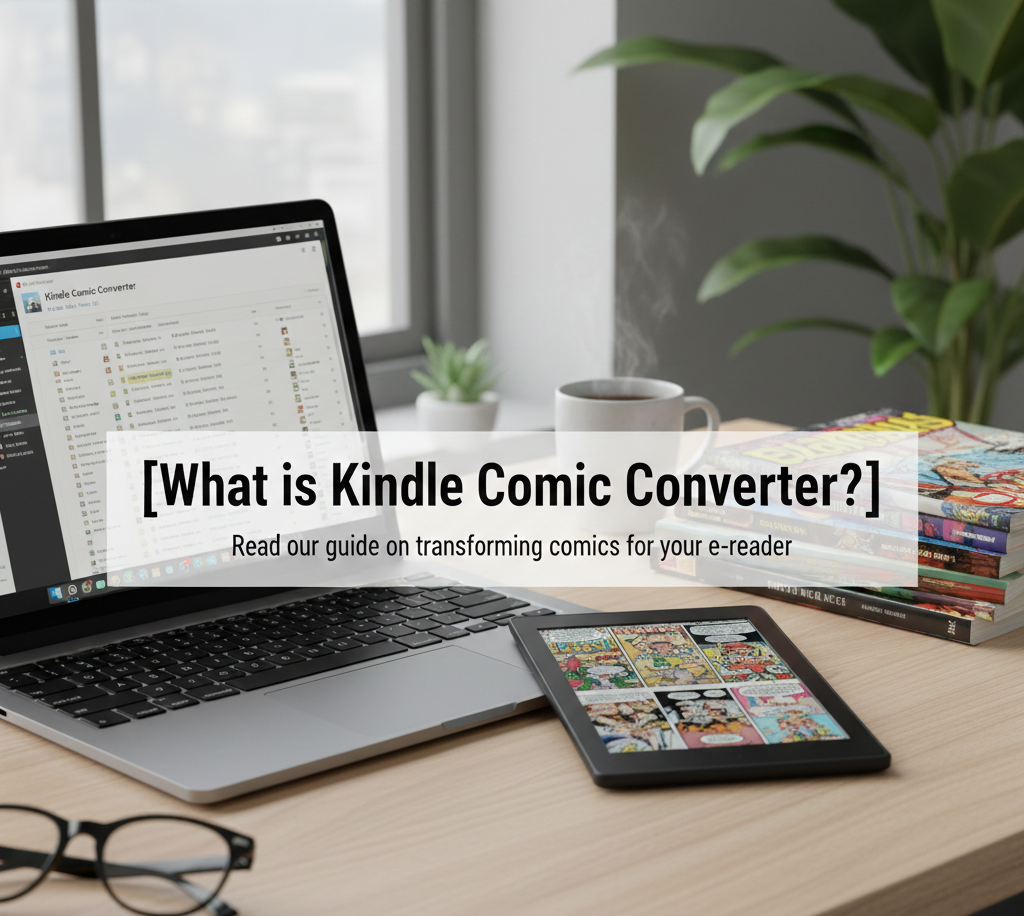
Kindle Comic Converter is a powerful tool designed to transform comic books, manga, and graphic novels into a Kindle-friendly format. With Kindle Comic Converter, users can effortlessly convert various file types like PDF, CBR, and CBZ into MOBI or AZW3 formats, making reading on Kindle devices smooth and enjoyable. The software intelligently adjusts page layouts, ensuring images fit perfectly on Kindle screens without distortion.
Using Kindle Comic Converter, readers gain a seamless comic-reading experience on their Kindle devices. Kindle Comic Converter supports customization options, such as contrast, padding, and resizing, giving users full control over their reading experience, all while maintaining high image quality.
Purpose of KCC
The Kisan Credit Card (KCC) scheme was introduced to provide farmers with timely and hassle-free access to credit. Its main goal is to empower farmers financially so that they can meet their agricultural and related needs efficiently. By simplifying the borrowing process, the KCC scheme reduces dependency on informal moneylenders and helps maintain financial stability in rural areas. This system ensures that farmers have ready access to working capital without delays, which is essential for managing seasonal farming operations.
Ensuring Timely Agricultural Finance
One of the primary purposes of KCC is to provide timely credit for agricultural operations. Farming is highly seasonal, and delays in accessing funds can affect the entire crop cycle. KCC allows farmers to secure funds for purchasing seeds, fertilizers, pesticides, and other inputs at the right time. This helps improve crop yield and productivity, ensuring that the farmer can invest in high-quality resources without financial stress.
Reducing Dependence on Informal Lending
Before KCC, many farmers relied on informal moneylenders who charged exorbitant interest rates. The KCC scheme offers institutional credit at reasonable rates, reducing the exploitation of farmers by unregulated sources. By providing formal credit through banks, it promotes a culture of transparency and accountability in rural finance. This not only safeguards farmers from debt traps but also encourages responsible borrowing and repayment habits.
Supporting Short-Term and Long-Term Agricultural Needs
KCC is designed to cater to both short-term and long-term financial requirements of farmers. Short-term needs include working capital for seasonal crops, while long-term needs might involve investment in equipment, irrigation systems, or livestock. By offering flexible credit limits and repayment schedules, KCC ensures that farmers can manage both operational and developmental needs efficiently, without compromising on their financial stability.
Promoting Financial Inclusion and Stability
- KCC scheme rural populations mein financial inclusion ko enhance karti hai.
- Farmers ko bank accounts kholne aur formal banking channels use karne ki encouragement milti hai.
- Credit history maintain karna farmers ko economically empower karta hai.
- Institutional credit systems par farmers ka trust build hota hai.
- Long-term mein financial inclusion se rural development aur agricultural productivity improve hoti hai.
- Scheme overall farming communities ke socio-economic stability mein contribute karti hai.
Supported Formats
When we talk about supported formats, we refer to the different types of files or data that a software, tool, or platform can read, process, or display correctly. Understanding supported formats is essential because using an incompatible format can lead to errors, crashes, or loss of information. Each format has unique characteristics, and software often supports multiple formats to provide flexibility and ensure broader usability. Below, we explore five important aspects of supported formats.
Image Format Compatibility
Image formats determine how visual data is stored and displayed. Popular formats such as JPEG, PNG, GIF, and TIFF are often supported across various applications. Each format has its own advantages; for instance, JPEG compresses files efficiently without too much quality loss, while PNG supports transparency and high-quality graphics. Software that supports multiple image formats allows users to work with images without needing extra conversion tools, making it easier to manage visual content efficiently.
Audio Format Support
Audio formats define how sound data is encoded and played back. Common supported audio formats include MP3, WAV, FLAC, and AAC. Each format balances factors like file size, sound quality, and compatibility. Software supporting multiple audio formats enables users to import, edit, and export sound files seamlessly. This ensures that audio can be integrated into projects, presentations, or applications without encountering playback issues or loss of fidelity.
Video Format Integration
Video formats are crucial for handling multimedia content, as each format affects quality, compression, and device compatibility. Formats such as MP4, AVI, MOV, and MKV are widely supported due to their reliability and widespread usage. Software that supports multiple video formats allows creators to work with footage from different sources and export videos in formats suitable for streaming, sharing, or editing, maintaining quality across platforms.
Document and Text Format Handling
Document formats include types like PDF, DOCX, TXT, and XLSX, which are used for text, spreadsheets, or presentations. Supporting these formats ensures smooth document creation, editing, and sharing without compatibility issues. Applications with broad document format support allow users to collaborate and exchange files without worrying about formatting changes or corruption, which is particularly important in professional and academic environments.
Data and Code Format Recognition
Beyond media and documents, software often needs to handle data or code files in formats like JSON, XML, CSV, or HTML. Supporting these formats enables the application to parse, manipulate, or display structured data effectively. This capability is essential for developers, analysts, and data-driven applications, as it ensures that information can be correctly interpreted, integrated, and utilized without manual intervention or conversion.
Compatibility with Devices
Definition of Device Compatibility
Device compatibility refers to the ability of software, applications, or digital content to function seamlessly across a variety of devices. This ensures that users experience consistent performance regardless of whether they are using smartphones, tablets, laptops, or desktop computers. True compatibility minimizes errors, glitches, or restricted functionality, making technology accessible to a broader audience.
Importance of Device Compatibility
Compatibility is critical in today’s multi-device world. Users frequently switch between devices, expecting a smooth transition without losing data or functionality. When software is compatible with multiple devices, it enhances user satisfaction, reduces frustration, and strengthens the credibility of the developer or brand. Without compatibility, users may encounter crashes, display issues, or complete inability to use the software.
Factors Affecting Compatibility
Several factors influence how well a program or app adapts to different devices. These include operating systems, screen sizes, hardware specifications, and software dependencies. For instance, a high-end graphics application may not perform efficiently on older devices with limited processing power. Developers must account for these variations to ensure optimal performance and accessibility for as many users as possible.
Testing for Compatibility
To guarantee device compatibility, extensive testing is required. This process often involves using emulators, real devices, and different operating systems to identify potential issues. Rigorous testing helps developers detect bugs, layout problems, or performance bottlenecks before releasing the software. Continuous updates and patches also play a key role in maintaining compatibility as devices and operating systems evolve.
Benefits of Ensuring Compatibility
Ensuring device compatibility brings multiple advantages. It expands the user base, increases adoption rates, and enhances user loyalty. Moreover, it reduces support requests and negative reviews caused by device-specific problems. Ultimately, compatibility allows software to reach a diverse audience and remain functional across both current and future technologies, securing long-term relevance.
Ease of Use
- Refers to how simple, intuitive, and effortless it is for a user to interact with a product, software, or system.
- Crucial for user satisfaction, adoption rate, and overall effectiveness of a tool.
- High ease of use minimizes the learning curve and reduces user errors.
- Allows users to achieve goals quickly without frustration.
- Prioritized in modern design because even powerful software fails if it’s too complicated.
- Key aspects of ease of use include intuitive interface, clarity, responsiveness, and accessibility.
Intuitive Design
A product with an intuitive design allows users to understand its functions without needing a manual or extensive training. Visual cues, clear labeling, and logical navigation paths help users predict what actions to take next. Intuition in design makes interactions natural and seamless, letting users focus on tasks rather than figuring out how to use the tool.
Consistency Across Interface
Consistency in design, terminology, and workflows ensures that users do not have to relearn basic operations repeatedly. Whether it’s button placement, color schemes, or menu structures, consistency reinforces familiarity. A consistent interface reduces cognitive load and builds user confidence over time, enhancing the overall ease of use.
Minimal Effort Interaction
Ease of use also depends on minimizing the effort required to complete tasks. This includes reducing the number of steps needed, providing shortcuts for frequent actions, and automating repetitive processes. When users can achieve their objectives efficiently, they perceive the system as user-friendly and reliable.
Accessibility and Flexibility
A truly easy-to-use product considers diverse user needs and accessibility requirements. Features like adjustable font sizes, voice commands, screen readers, and responsive design contribute to making the product usable for a wider audience. Flexibility ensures that different users can interact with the system according to their preferences and abilities, increasing overall satisfaction.
Feedback and Error Management
Providing clear feedback and managing errors effectively are essential for ease of use. Users need to know the result of their actions immediately, and errors should be communicated in a helpful way. Guidance on correcting mistakes, preventing irreversible errors, and offering supportive messages makes the system less intimidating and encourages continuous use.
Advanced Settings and Customization
Deep Control Over Features
Advanced settings provide users with the ability to go beyond basic functionality and exercise precise control over how an application behaves. This includes adjusting performance parameters, enabling or disabling specialized features, and tailoring the software to match specific workflows. Such controls are particularly useful for power users who need the software to adapt to unique scenarios rather than following default behaviors.
Personalization Options
- Customization enables users to tailor the interface and functionality to their preferences.
- Users can adjust themes, colors, and layouts.
- Toolbars and shortcuts can be configured for convenience.
- Personalization improves both comfort and efficiency.
- Flexibility in appearance and interaction allows for a more intuitive experience.
- Users can create an environment aligned with their individual work style.
Optimizing Performance
Through advanced settings, users can fine-tune performance-related parameters such as memory usage, processing priorities, or caching strategies. This ensures that applications run smoothly even under heavy workloads and on systems with varying hardware capabilities. Performance optimization not only improves speed but also reduces potential errors and resource conflicts.
Security and Privacy Controls
Customization often extends to privacy and security measures. Advanced settings allow users to manage data access permissions, encryption preferences, and activity logs. By tailoring these parameters, users can protect sensitive information while maintaining functionality. This level of control is crucial for professionals working with confidential or proprietary data.
Integration and Automation
Advanced settings also facilitate integration with other tools and systems, along with automation of repetitive tasks. Users can configure workflows, link external services, and set up triggers that streamline operations. By automating routine processes and enabling system interoperability, customization transforms software from a static tool into a dynamic, highly efficient platform.
Conclusion
Kindle Comic Converter (KCC) is a powerful tool designed to transform comics, manga, and graphic novels into Kindle-friendly formats. It optimizes reading by automatically adjusting images for the device’s screen, enhancing visual clarity and navigation. With support for multiple file types and customizable settings, KCC ensures a seamless reading experience. Ultimately, it bridges the gap between digital comics and e-readers, making content accessible, enjoyable, and professional-quality on Kindle devices.