
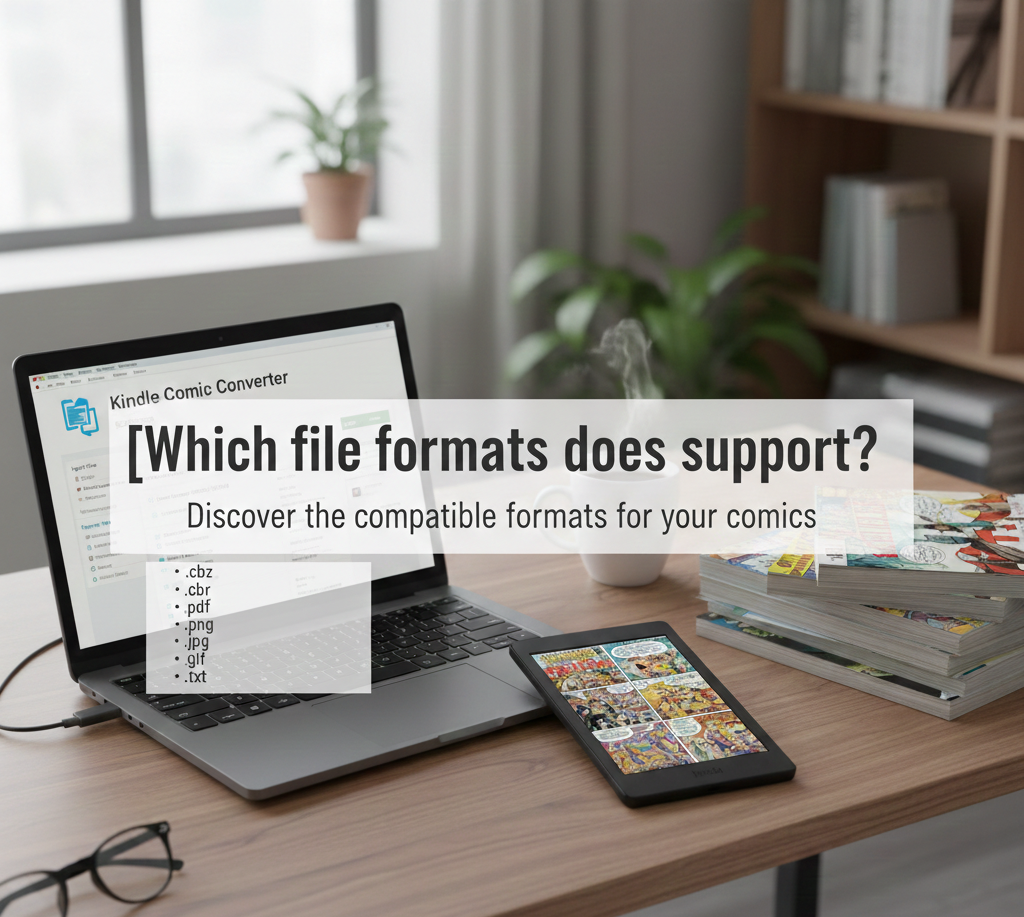
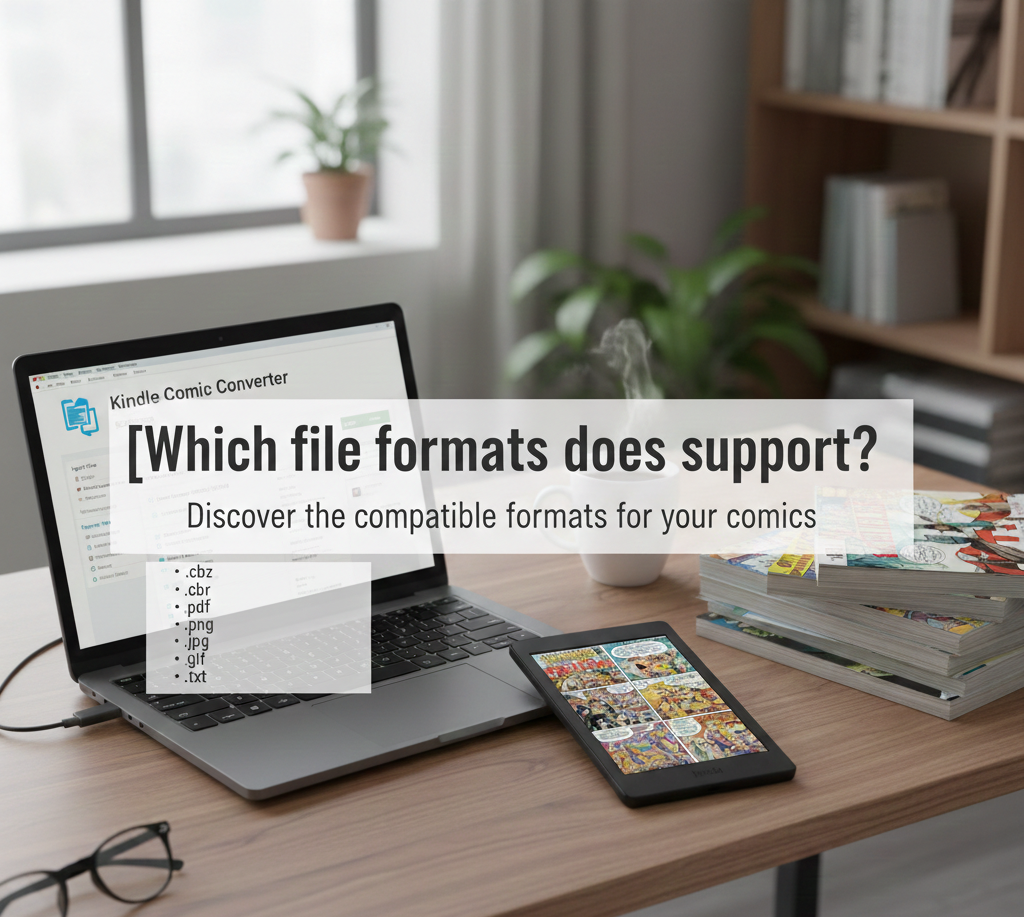
Kindle Comic Converter is a tool designed to transform comic files into Kindle-friendly formats. It supports popular inputs like CBZ, CBR, PDF, and image folders, ensuring smooth compatibility. With processing, users can prepare comics for optimal reading quality. Kindle Comic Converter simplifies conversion while preserving layout, resolution, and clarity perfectly.
It also handles PNG, JPEG, and TIFF images, allowing flexible conversion options for diverse comic collections. Users benefit from automatic resizing, panel optimization, and device-specific profiles. By using Kindle Comic Converter, readers enjoy properly formatted comics that load faster, display clearly, and deliver a seamless, immersive Kindle reading experience everywhere.
Overview of Supported Input File Formats
Supported input file formats define the types of files a system, software, or application can recognize, import, and process efficiently. These formats ensure compatibility between different tools and allow users to work with a wide range of data sources without conversion issues. Understanding supported input file formats is essential because it directly impacts workflow flexibility, data accuracy, and overall performance. When software supports multiple file formats, it enables users to integrate content from various platforms, making the process smoother and more efficient.
Compatibility with Common File Types
One of the most important aspects of supported input file formats is compatibility with commonly used file types. Modern software is designed to accept widely recognized formats so users can easily import files without technical barriers. This compatibility ensures that users do not need additional tools to convert their files before use. It also improves productivity by allowing seamless integration of documents, images, or other data types into the working environment. Broad compatibility makes software more accessible and user-friendly for beginners and professionals alike.
Flexibility in Data Integration
Supported input file formats provide flexibility when working with data from different sources. Users often work with files created by various applications, and format support allows these files to be imported without losing important information. This flexibility is especially useful in professional environments where data must be shared and reused across multiple systems. By supporting diverse formats, software enables smooth collaboration and prevents workflow interruptions caused by format limitations.
Preservation of File Quality and Structure
Another critical factor is the preservation of file quality and structure during the import process. When a file format is fully supported, the software can maintain its original layout, formatting, and data integrity. This ensures that no important elements are lost or distorted. Proper format support helps maintain accuracy, which is essential for tasks that require precise information, such as design, documentation, or technical configuration. Reliable format handling improves trust and efficiency in the software.
Enhanced User Convenience and Workflow Efficiency
Supporting multiple input file formats enhances user convenience by reducing the need for manual conversion. Users can directly import their files and begin working immediately. This saves time and simplifies the overall workflow. Efficient format support also reduces errors that can occur during conversion processes. As a result, users experience a smoother and faster working environment, allowing them to focus more on productivity rather than technical limitations.
Future Scalability and Software Versatility
Supported input file formats also contribute to the scalability and versatility of software. As technology evolves, new file formats emerge, and software that supports multiple formats remains relevant and adaptable. This versatility ensures long-term usability and allows users to work with both older and newer file types. Strong format support makes software more reliable, flexible, and capable of meeting changing user needs over time.
Supported Image File Formats
- Supported Image File Formats wo image file types hoti hain jo software ya application asani se open, edit, aur export kar sakta hai.
- Ye formats define karti hain ke image data kis tarah store, compress, aur display hoga.
- Har image format ki apni structure, quality level, aur file size behavior hoti hai.
- Different formats mukhtalif purposes ke liye use hoti hain, jaise web use, professional editing, ya storage.
- Supported formats ka pata hona compatibility issues aur data loss se bachata hai.
- Ye users ko apni zarurat ke mutabiq best image format select karne mein madad deta hai.
JPEG (Joint Photographic Experts Group) Format Support
JPEG is one of the most widely supported image formats due to its efficient compression and balance between quality and file size. It is commonly used for photographs and realistic images because it can store millions of colors while keeping file sizes relatively small. Software that supports JPEG allows users to easily view, upload, and share images across different platforms. However, JPEG uses lossy compression, meaning some image detail is permanently removed during saving, which makes it less ideal for images requiring perfect precision, such as logos or technical graphics.
PNG (Portable Network Graphics) Format Support
PNG format is highly valued for its lossless compression, which preserves all image details without reducing quality. It is especially useful for graphics that require transparency, such as logos, icons, and interface elements. Applications that support PNG enable users to maintain sharp edges and clear visuals even after multiple edits and saves. PNG files are generally larger than JPEG files, but they provide superior clarity and flexibility, making them ideal for professional design work and digital publishing where quality must remain intact.
GIF (Graphics Interchange Format) Format Support
GIF is known for its ability to support simple animations and basic graphics. It uses limited colors, typically up to 256, which makes it suitable for simple visuals, icons, and animated elements rather than high-quality photographs. Software that supports GIF allows users to view animated images and lightweight graphics efficiently. Due to its smaller file size and animation capability, GIF remains popular for web graphics, social media visuals, and interactive elements that require motion without heavy file sizes.
BMP (Bitmap Image File) Format Support
BMP is a basic image format that stores image data without compression, preserving full quality and detail. Because it does not reduce file size through compression, BMP files tend to be much larger than other formats. Programs that support BMP provide accurate image representation, which is useful in technical environments where image precision is important. Although BMP is less commonly used for web or sharing purposes, it remains valuable for internal processing, editing, and archival tasks where quality must not be compromised.
TIFF (Tagged Image File Format) Support
TIFF is a high-quality format widely used in professional photography, publishing, and printing industries. It supports both lossless compression and uncompressed storage, ensuring maximum image clarity and flexibility. Software that supports TIFF allows handling of large, detailed images with multiple layers and color depths. This makes TIFF ideal for professional workflows where image accuracy, editing capability, and long-term preservation are essential. Although TIFF files are larger in size, they offer unmatched quality and reliability for advanced image processing.
Archive File Format Support (CBZ and CBR)
- Archive file format support comic reading aur conversion tools ka important feature hota hai.
- Yeh users ko digital comics ko efficiently manage aur access karne mein madad deta hai.
- CBZ aur CBR sab se zyada commonly used archive formats hain comic storage ke liye.
- Yeh formats comic images ko compressed aur organized form mein store karte hain.
- In formats se comic pages ki original sequence aur quality maintain rehti hai.
- Storage aur sharing process zyada easy aur convenient ho jata hai.
- Yeh formats smooth compatibility provide karte hain different tools ke sath.
- Comic readers ko fast aur reliable performance milti hai.
- Professionals aur comic enthusiasts dono ke liye yeh formats useful hain.
Understanding the CBZ File Format
The CBZ file format is a compressed archive that uses ZIP compression to store comic images such as JPEG or PNG files. It organizes all pages in a sequential order, ensuring that comics appear correctly when opened in a reader or converter. CBZ is widely preferred because ZIP compression is universally supported, making it easy to open, extract, and edit using various tools. Its simple structure and compatibility make it a reliable and user-friendly format for digital comic storage and conversion.
Understanding the CBR File Format
The CBR file format is similar to CBZ but uses RAR compression instead of ZIP. It also stores comic pages in a compressed archive, preserving the reading order and image quality. CBR files are popular among comic collectors due to their efficient compression capabilities, which can reduce file size while maintaining clarity. However, since it uses RAR compression, it may require specific software to open or modify, making it slightly less flexible compared to CBZ in some environments.
Compatibility and Accessibility Benefits
Supporting both CBZ and CBR formats ensures that users can access comics from various sources without needing to convert them first. Many comic readers, converters, and digital libraries recognize these formats, allowing seamless integration and accessibility. This compatibility eliminates technical barriers and enables users to work with a wide range of comic files effortlessly. It also ensures that users can preserve their existing comic collections without worrying about format limitations.
Integration with Comic Conversion and Reading Tools
Archive format support allows comic conversion tools to process CBZ and CBR files efficiently, extracting images and optimizing them for different devices. This integration ensures accurate page arrangement, proper scaling, and consistent quality during conversion. It also improves workflow efficiency, as users can directly import archive files without manual extraction. This streamlined process saves time and enhances overall usability, especially for users managing large comic libraries.
Storage Efficiency and File Management Advantages
CBZ and CBR formats offer excellent storage efficiency by compressing multiple image files into a single archive. This reduces file size while keeping all pages organized in one place, making storage and transfer easier. It also simplifies file management, as users only need to handle one file instead of multiple image files. This organization improves convenience, reduces clutter, and ensures a smoother experience when storing, sharing, or converting comic content.
Support for ZIP and RAR Archives
Support for ZIP and RAR archives is an essential feature in modern software applications, allowing users to efficiently manage compressed files. These archive formats help reduce file size, organize multiple files into a single package, and simplify file sharing and storage. With built-in support for ZIP and RAR archives, users can open, extract, and manage compressed content directly within the software without needing external tools. This improves workflow efficiency and ensures seamless access to important files.
Easy Extraction of Compressed Files
One of the most important aspects of ZIP and RAR archive support is the ability to easily extract compressed files. Users can open an archive and extract its contents quickly without complicated steps. This ensures that documents, images, or other data stored inside compressed files become instantly accessible. The extraction process is usually fast and reliable, preserving the original file quality and structure while saving users valuable time.
Efficient File Compression and Storage
ZIP and RAR archive support also enables users to compress files for efficient storage. Compression reduces the overall file size, making it easier to store large amounts of data in limited storage space. This is especially useful when dealing with large projects, backups, or media collections. By minimizing file size without losing data integrity, archive support helps users maintain an organized and space-efficient storage system.
Convenient File Sharing and Transfer
- Compressed archive formats (like ZIP or RAR) make file sharing easier and more practical.
- Multiple files can be combined into a single archive instead of sending individually.
- Simplifies file transfer via email, cloud storage, or external devices.
- Smaller compressed files upload and download faster.
- Reduces bandwidth usage and improves overall transfer speed.
Organized File Management
Support for ZIP and RAR archives helps users keep files organized in a structured manner. Multiple related files can be grouped into a single archive, reducing clutter and improving file organization. This makes it easier to store, locate, and manage important data. Organized archives are particularly useful for managing software resources, documents, and project files efficiently.
Improved Compatibility and User Convenience
Modern software with ZIP and RAR support ensures better compatibility across different systems and platforms. Users can open and manage archive files created on other devices without compatibility issues. This flexibility enhances user convenience and allows seamless integration with various workflows. Built-in archive support eliminates the need for additional software, providing a smoother and more user-friendly experience.
Conculsions
Kindle Comic Converter supports a wide range of file formats, making it highly versatile for comic and manga enthusiasts. It efficiently converts common image formats such as JPG, PNG, GIF, and TIFF, along with archive formats like CBZ, CBR, and ZIP. This flexibility ensures seamless compatibility with Kindle devices, preserving image quality and readability. As a result, users can easily transform diverse comic files into optimized Kindle-friendly formats without complications.